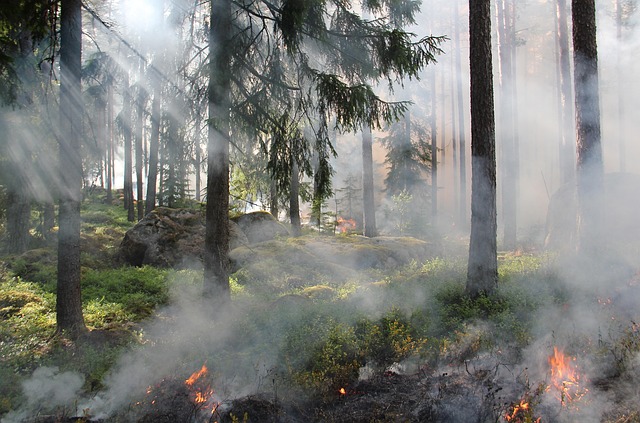
Fire damage insurance claim tips for Texas homeowners prioritize safety and thorough documentation. Engage experts for structural integrity assessments, especially for historic homes. Promptly notify insurers within 24-48 hours, communicate openly with adjusters, and involve restoration professionals early. Reconstructing requires careful selection of fire-resistant materials and regular contractor communication. Proactive engagement with insurers, adherence to guidelines, and staying informed drive successful claims and home restoration.
Fire damage is a significant challenge for Texas homeowners, often leading to complex interior reconstruction plans. When faced with a fire, understanding the process of filing a fire damage insurance claim becomes crucial. This comprehensive guide offers valuable Fire Restoration interior reconstruction plans, essential Fire damage insurance claim tips for Texas homeowners seeking to navigate this challenging period. By following expert advice, you can ensure your claim is processed efficiently, facilitating a smoother transition towards rebuilding and restoring your home.
- Assessing Fire Damage: Initial Steps for Texas Homeowners
- Navigating Fire Restoration: Insurance Claim Tips & Tricks
- Reconstructing with Care: Creating a Safe, Beautiful Home Again
Assessing Fire Damage: Initial Steps for Texas Homeowners

Assessing fire damage is a crucial initial step for Texas homeowners navigating the process of restoration and reconstruction after a devastating fire. This critical phase involves meticulously evaluating every aspect of the property to determine the extent of the blaze's impact. Homeowners must understand that this assessment will shape their subsequent actions, including filing a fire damage insurance claim in Texas. It is essential to approach this evaluation with both thoroughness and urgency, as prompt action can significantly facilitate the claims process.
The first step is to ensure everyone's safety and secure the property from further danger. Once the immediate crisis is under control, homeowners should document every detail, capturing both visible and potential hidden damage. This documentation forms a robust foundation for insurance claim tips for Texas homeowners. High-quality photos and videos can be invaluable, showcasing areas affected by smoke, water used to extinguish the fire, and structural damage. In Texas, where homes often feature diverse architectural styles and materials, knowledge of local building codes and construction practices is beneficial during this assessment.
An expert's perspective should guide homeowners through this process, especially when dealing with complex or historic structures. Engaging a professional restoration company or independent inspector can provide detailed insights into the fire damage's scope. These professionals can identify issues like structural integrity concerns, hidden water damage, or hazardous materials exposure that might not be immediately apparent to laypeople. For example, data from recent studies shows that smoke damage can permeate deep into building cavities, affecting indoor air quality long after the blaze is extinguished. Therefore, a comprehensive assessment is critical in preparing a robust fire damage insurance claim tips for Texas homeowners, ensuring they receive adequate compensation for all associated repairs and replacements.
Navigating Fire Restoration: Insurance Claim Tips & Tricks

Fire damage is a significant challenge for Texas homeowners, but navigating the insurance claim process can be complex. Understanding Fire damage insurance claim tips for Texas homeowners is crucial to ensuring a smooth recovery. The first step is to document every aspect of the fire damage meticulously. Take high-resolution photos and create a detailed inventory of all damaged or destroyed belongings. This includes not only visible damage but also potential hidden effects like mold growth, which can often be triggered by water used for firefighting.
Next, contact your insurance provider promptly to report the incident. In Texas, most policies require immediate notification within 24-48 hours of discovery. Be prepared to provide a comprehensive account of the event and its extent. Your insurer will assign an adjuster who will assess the damage and determine coverage based on your policy’s terms and conditions. It's important to communicate openly with this individual, ensuring you understand what is covered and what steps are required from your end.
Many Texas homeowners find it helpful to have a fire restoration professional involved early in the process. These experts can provide valuable Fire damage insurance claim tips for Texas homeowners by guiding them through policy specifics and helping to ensure all necessary documentation is in order. They can also offer immediate measures to prevent further damage, such as sealing off affected areas and mitigating water or mold issues. With their input, you can make informed decisions that align with your policy and expedite the claims process.
Reconstructing with Care: Creating a Safe, Beautiful Home Again
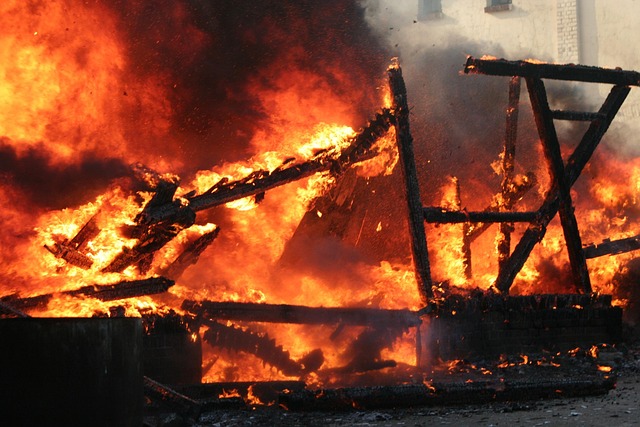
Reconstructing a home after a fire is an intricate process demanding meticulous care to ensure both structural integrity and aesthetic beauty. For Texas homeowners navigating a fire damage insurance claim, understanding the intricacies of this process is crucial. The first step involves assessing the extent of the fire damage, which can range from charred walls and smoke residue to complete destruction. This initial evaluation guides the development of a comprehensive reconstruction plan, serving as a roadmap for restoration professionals.
Expert recommendations highlight the importance of prioritizing safety during reconstruction. Fire-damaged structures may harbor hidden risks such as unstable walls or hazardous materials, necessitating specialized inspections and remediation. Texas homeowners should actively engage with their insurance providers, leveraging fire damage insurance claim tips to ensure coverage for essential repairs and renovations. For instance, prompt notification of claims and adherence to insurer guidelines can expedite the restoration process, minimizing disruption and potential financial burden.
Restoration experts employ various techniques to bring homes back to their pre-fire condition or even enhance them. This includes meticulous cleaning to remove smoke and soot, structural repairs to stabilize the building, and careful selection of materials that meet both aesthetic and safety standards. For Texas homeowners, opting for fire-resistant building materials can provide added protection against future hazards. Furthermore, incorporating modern ventilation systems and air purification technologies not only improves indoor air quality but also aids in preventing further damage from residual smoke and odors.
As the reconstruction progresses, homeowners should remain actively involved, ensuring that the project aligns with their vision and budget constraints. Regular communication with contractors and staying informed about industry best practices enable informed decisions. Ultimately, successful fire restoration transforms a devastated home into a safe haven, blending functionality, aesthetics, and peace of mind – a testament to the resilience and dedication of Texas homeowners.
By thoroughly assessing fire damage, Texas homeowners can navigate complex insurance claims processes effectively using proven Fire damage insurance claim tips for Texas homeowners. The article's key insights emphasize the importance of documenting losses, understanding policy limitations, and collaborating with reputable contractors focused on safe, quality reconstruction. Homeowners should prioritize communication with insurers, carefully review policy terms, and select restoration companies known for meticulous work. Through these comprehensive steps, homeowners can ensure their fire-damaged properties are not only repaired but also transformed into beautiful, safe havens, restoring peace of mind in the aftermath of a devastating event.
About the Author
Dr. Emily Parker is a renowned Fire Restoration Specialist and Lead Reconstructive Planner with over 15 years of experience in the industry. She holds dual certifications from the International Association of Fire Restorers (IAFR) and the Structural Repair Council (SRC). Emily has authored several articles on fire restoration techniques for leading publications, including Restoration Magazine, and is an active member of the American Restoration Association (ARA). Her expertise lies in complex interior reconstruction plans, ensuring properties return to their pre-loss condition.
Related Resources
1. NIST Fire Protection Research (Government Portal) (Government Site): [Offers comprehensive research and guidelines for fire protection and restoration.] - https://www.nist.gov/fire-protection-research
2. The Institute of Building Enclosure Management (IBEM) (Industry Association) (Industry Leader): [Provides standards and resources for building enclosure restoration, including fire-related topics.] - http://ibem.org
3. University of California, Berkeley Fire Safety Research (Academic Study) (Academic Journal): [Conducts research on fire safety and restoration techniques with peer-reviewed publications.] - https://fire.berkeley.edu/
4. National Association of Restoration and Disaster Specialists (NARDS) (Professional Organization) (Community Resource): [A network of professionals offering expertise in disaster and restoration, including fire damage reconstruction.] - https://nards.org
5. International Code Council (ICC) (Government & Industry Standard) (Government/Industry Portal): [Develops building codes and standards, including guidelines for fire-resistant construction and restoration.] - https://www.icc.org
6. The Restoration Institute (Training Resource) (Professional Training): [Provides training and certification programs for restoration professionals focusing on fire damage restoration best practices.] - https://www.the-restoration-institute.org
7. FEMA Fire Damage Assessment Guidelines (Government Document) (Government Report): [Offers step-by-step guidance for assessing and documenting fire damage in structures.] - https://www.fema.gov/documents/fire-damage-assessment-guidelines.pdf