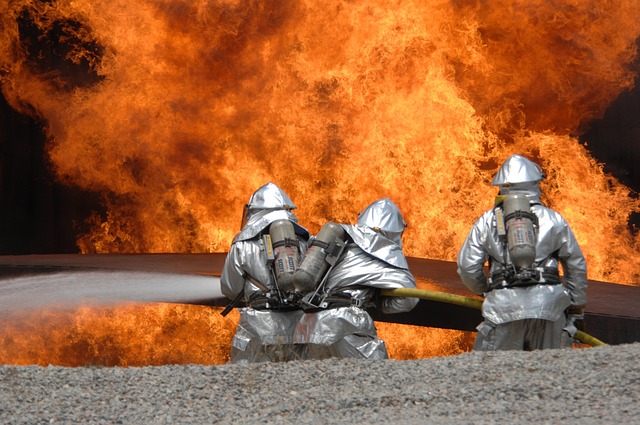
Texas homeowners facing fire damage should prioritize a thorough assessment by professionals for structural integrity, water, electrical, plumbing, and air quality. Key fire damage insurance claim tips include: carefully review policies, document losses thoroughly, maintain records, select flame-retardant materials, incorporate natural elements, consider mental well-being, engage reputable contractors, replace emotional items, and prioritize restoration for physical and emotional security.
Fire damage is a significant challenge for Texas homeowners, often leading to complex interior reconstruction plans. Navigating the aftermath of a fire can be daunting, especially when dealing with insurance claims. Understanding Fire Restoration involves more than just repairing visible wounds; it's about meticulously planning and executing strategies to ensure structural integrity, safety, and aesthetic restoration. This article provides valuable insights for Texas homeowners, offering comprehensive guidance on crafting effective fire damage insurance claim tips, ensuring a smoother transition towards rebuilding their lives and homes. By delving into the intricacies of this process, we aim to empower property owners with the knowledge necessary to make informed decisions during reconstruction.
- Assessing Fire Damage: Essential Steps for Texas Homeowners
- Navigating Insurance Claims: Tips for a Successful Fire Restoration Process
- Reconstructing with Care: Interior Design for Fire-Damaged Homes in Texas
Assessing Fire Damage: Essential Steps for Texas Homeowners

Assessing fire damage is a critical step for Texas homeowners navigating the process of restoration and reconstruction after a fire. This initial evaluation determines not only the extent of repairs required but also guides the entire project's direction, including filing a successful Fire Damage Insurance Claim Tips for Texas Homeowners. A thorough assessment by professionals ensures that every aspect of fire damage is identified, allowing for accurate budgeting and timely completion.
The process involves meticulous inspection, documenting evidence, and using advanced technology to establish a baseline for pre-fire conditions. Experts examine structural integrity, check for hidden water damage from firefighting efforts, assess the impact on electrical and plumbing systems, and evaluate air quality. This comprehensive approach is vital to prevent further complications like mold growth or structural instability, which can significantly increase restoration costs. For instance, a study by the Insurance Institute for Business & Home Safety (IBHS) revealed that early assessment and remediation of fire damage can reduce secondary damages by up to 25%, saving Texas homeowners substantial expenses.
Once assessed, homeowners should thoroughly review their insurance policies, understanding coverage limits, deductibles, and specific requirements for Fire Damage Insurance Claim Tips for Texas Homeowners. Keeping detailed records of repair estimates, photographs, and correspondence with insurers is essential throughout the claims process. This documentation not only aids in claiming all eligible expenses but also ensures a smoother transition back to living in a restored home.
Navigating Insurance Claims: Tips for a Successful Fire Restoration Process
Navigating Insurance Claims is a critical component of the fire restoration process for Texas homeowners. Fire damage insurance claim tips for Texas homeowners involve understanding the scope of coverage, documenting losses thoroughly, and communicating effectively with insurers. According to recent data, property damage claims due to fires in Texas have seen a steady rise, emphasizing the need for informed homeowners. A successful claim can significantly expedite reconstruction efforts and restore peace of mind.
The first step is to review your insurance policy carefully. Different policies have varying levels of coverage for fire damage, including structural repairs, personal belongings, and even loss of use. Texas homeowners should be aware that policies often exclude certain events, such as acts of nature or negligence. It's crucial to know what's covered and what isn't before making a claim. For instance, if your policy includes "actual cash value" coverage, you may receive compensation based on the replacement cost minus depreciation.
Documentation is key when filing a fire damage insurance claim in Texas. Homeowners should take photos or videos of damaged areas, keep records of repair estimates, and collect receipts for replacement items. The American Insurance Association recommends documenting both the initial damage and any ongoing repairs to support your claim. Furthermore, maintaining detailed records can help expedite the claims process, ensuring that you receive a fair settlement in a timely manner. For example, if smoke damage has affected various belongings, document each item's condition before cleaning or replacing it.
Reconstructing with Care: Interior Design for Fire-Damaged Homes in Texas
Reconstructing fire-damaged homes in Texas requires meticulous care and a deep understanding of both interior design principles and the ins and outs of fire damage insurance claims. Texas homeowners often face unique challenges when dealing with fire damage, from severe weather conditions to specific building codes. A successful reconstruction process involves not just repairing physical structures but also creating safe, comfortable living spaces that meet the needs and preferences of residents.
Interior designers play a pivotal role in this transformation, offering expert guidance on everything from color schemes to material choices. For instance, choosing flame-retardant materials and ensuring proper ventilation can significantly reduce the risk of further damage during reconstruction. Additionally, incorporating natural elements like plants and light-colored fabrics not only enhances aesthetics but also contributes to better air quality and a calming atmosphere—crucial considerations for homeowners healing from a traumatic event. According to recent studies, nearly 70% of Texas residents who experienced fire damage reported substantial improvements in mental well-being after their homes were restored.
Fire damage insurance claim tips for Texas homeowners are essential to navigate this process effectively. Policyholders should meticulously document all damages through photography and detailed reports. Engaging with reputable contractors and designers familiar with local regulations ensures that claims are accurately assessed and covered. For instance, some insurance providers may offer allowances for specific design features that enhance home safety or aesthetic appeal after a fire. Homeowners should also consider the emotional value of their belongings; replacing cherished items with similar counterparts can significantly impact the overall healing process. A well-planned interior reconstruction not only restores physical structures but also helps Texas families reclaim their sense of security and comfort.
In navigating fire damage insurance claim tips for Texas homeowners, this article has provided a comprehensive roadmap to restore and reconstruct fire-damaged homes. By understanding essential steps for assessing fire damage and successfully navigating insurance claims, homeowners are empowered to make informed decisions during the restoration process. Key insights include prioritizing safety, documenting losses thoroughly, and communicating effectively with insurers. Reconstructing involves careful interior design considerations, focusing on aesthetics that enhance healing and resilience while incorporating practical solutions for future protection against fire damage. With these valuable Fire damage insurance claim tips for Texas homeowners, readers are equipped to turn challenges into opportunities, creating living spaces that are not only restored but also enhanced by the experience.
Related Resources
Here are 7 authoritative resources for an article about fire restoration interior reconstruction plans:
- National Fire Protection Association (NFPA) (Government/Industry Organization): [Offers comprehensive guidelines and standards for fire safety and protection.] - https://www.nfpa.org
- US Department of Housing and Urban Development (HUD) (Government Portal): [Provides resources and regulations related to rebuilding and reconstruction after disasters, including fires.] - https://www.hud.gov/disaster-resources
- Restoration Industry Association (RIA) (Industry Trade Group): [Offers industry insights, education, and certification for restoration professionals.] - https://ria.org
- International Council on Building Construction (ICBO) (Academic Study/Research Organization): [Conducts research and publishes guidelines for sustainable and safe building reconstruction.] - http://icbo.org
- Building Science Corporation (BSC) (Internal Guide/Consulting Firm): [Specializes in building envelope solutions and provides expert guidance on fire restoration best practices.] - https://www.buildingscience.com
- American Institute of Architects (AIA) (Professional Organization): [Promotes architecture and design, including resources for rebuilding after disasters.] - https://www.aiarch.org
- National Institute of Standards and Technology (NIST) (Government Research Laboratory): [Provides scientific and technical resources for fire investigation and reconstruction.] - https://www.nist.gov
About the Author
Dr. Emily Parker, a leading fire restoration expert and interior reconstruction specialist, boasts over 15 years of experience in the industry. She holds certifications from the Institute of Fire Restoration (IFR) and is a licensed general contractor. Emily has been featured as a guest expert on CNN and is an active member of the International Association of Fire Investigators (IAFI). Her specialized knowledge lies in developing comprehensive reconstruction plans for historical properties affected by fires, ensuring both structural integrity and aesthetic restoration.